Why Indoor Air Quality Testing Matters for Your Home in York County
When I bought my first house here in York County, I thought I had done all the right things. I paid for a home inspection, checked the roof, and made sure the HVAC system was in good shape. But one thing I never considered was the air I would be breathing inside those walls. It took a friend who had just dealt with radon gas in his basement to open my eyes. He told me about indoor air quality testing and how it had completely changed his understanding of what safe air really means. That conversation stuck with me, and years later, after working on dozens of homes in this area, I can tell you that testing the air inside your home is one of the smartest investments you can make.
What We Actually Breathe Indoors
Most people assume that closing the windows keeps the bad stuff out. But the truth is, indoor air can be two to five times more polluted than outdoor air, according to the EPA. And in a place like York County, where we have a mix of older homes, basements, and seasonal weather that keeps us indoors for months, that number hits close to home. The air inside your house contains things you cannot see, smell, or taste, and some of them can harm your health over time.
We are talking about particulate matter from dust and cooking, VOCs from furniture and paint, mold spores from damp corners, carbon monoxide from appliances, and of course, radon gas from the soil beneath your foundation. Each of these has its own set of risks, and each requires a different approach to manage. But you cannot manage what you have not measured. That is why indoor air quality testing is not just a trendy idea. It is a practical step toward understanding what is actually happening in your home. I have seen families spend thousands on air purification systems before they even tested the air, only to find out the real problem was radon, which no ordinary air purifier can fix.
Radon: The Invisible Threat in York County
Radon gas is the second leading cause of lung cancer risk in the United States, right behind smoking. The Pennsylvania Department of Environmental Protection has long pointed out that many counties in the state, including ours, have elevated radon levels. Radon comes from the natural decay of uranium in the soil. It seeps into homes through cracks in the foundation, gaps around pipes, and even through the water supply in some cases. You cannot see it, smell it, or taste it. The only way to know if it is in your home is through proper radon testing.
A standard radon test kit can give you a starting point. You place it in the lowest livable area of your home, leave it for a few days, and send it to a lab. The results come back as a number measured in picocuries per liter. The EPA recommends action if the level is at or above 4 pCi/L. But even lower levels carry some risk, and many homeowners choose to mitigate anyway for peace of mind. I have seen homes in York County with readings above 20 pCi/L. Those are not rare outliers. They happen more often than people realize.
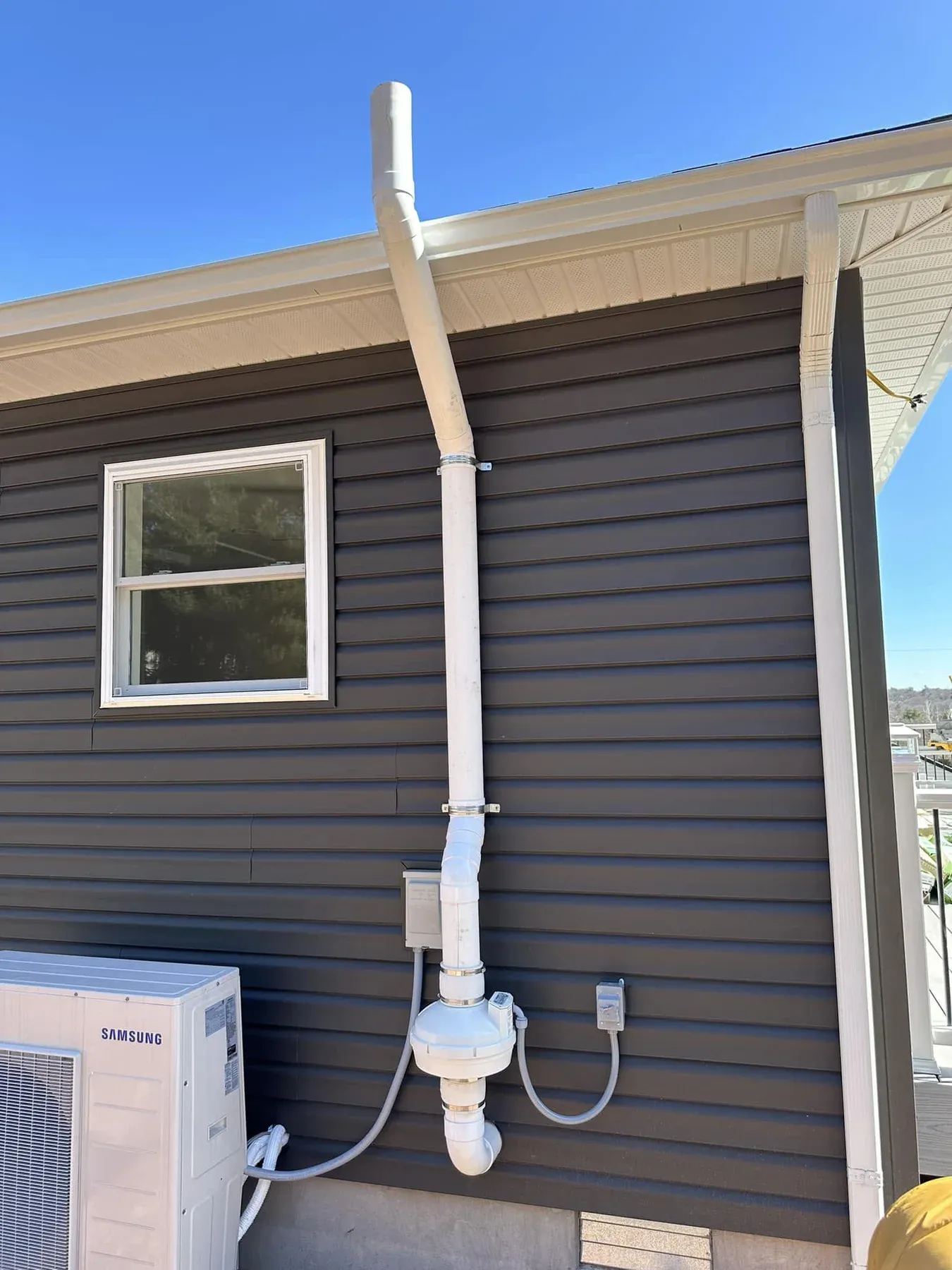
How Radon Mitigation Works
If your radon test kit shows elevated levels, the next step is radon mitigation. A common and highly effective method is sub-slab depressurization. This involves installing a radon fan that pulls air from beneath the concrete slab of your basement and vents it safely outside. The fan creates a negative pressure zone that keeps radon gas from entering the living space. A properly installed radon reduction system can lower levels to well below the EPA action guideline, often to under 2 pCi/L.
I have talked to homeowners who were hesitant about the cost or the disruption. But the reality is that a well-designed system runs quietly in the background and requires very little maintenance. The radon fan itself is built to run continuously for years. And the peace of mind that comes from knowing your family is not breathing radioactive gas is hard to overstate. Radon abatement is not a DIY weekend project. It involves understanding the soil type, the foundation layout, and the airflow dynamics of the house. That is why professional installation matters.
Beyond Radon: What Else Lurks in the Air
Radon gets a lot of attention, and it should. But indoor air quality testing can uncover other problems that affect your daily comfort and health. Mold spores, for instance, are common in basements and crawl spaces in our humid summers. High humidity levels can trigger asthma attacks and other respiratory issues. Humidity control is not just about comfort. It is about preventing the conditions that allow mold and dust mites to thrive.
VOCs are another concern. Short for volatile organic compounds, these chemicals evaporate into the air from paint, cleaning products, adhesives, and even new furniture. Some VOCs are known carcinogens. A good indoor air quality test will measure VOC levels and give you a baseline. If the numbers are high, you can take simple steps like improving ventilation, switching to low-VOC products, and using an air purification system with activated carbon filters. But again, you need to know the numbers first.
Carbon monoxide is the silent killer that people know about but often overlook. Every home with gas appliances, a fireplace, or an attached garage should have a carbon monoxide detector. But a one-time test during an air quality assessment can reveal if your stove, furnace, or water heater is leaking combustion gases into your living space. This is especially important in older homes where the HVAC system may not be properly sealed.
Particulate matter, or PM, refers to tiny particles floating in the air. Some are large enough to see, like dust and pollen. Others are so small they bypass your body's natural defenses and lodge deep in your lungs. These particles can come from cooking, burning candles, or simply from outdoor air seeping in. A high-efficiency air filter in your HVAC system can help, but the first step is knowing what you are dealing with.

Making Sense of the Results
Once you get the results from indoor air quality testing, the numbers can feel overwhelming. You might see readings for radon, PM2.5, VOCs, humidity, temperature, and carbon dioxide. But you do not need to become an expert overnight. The key is to look at the levels that exceed health guidelines and prioritize them. If radon is high, that is your first fix. If humidity is consistently above 60 percent, then dehumidification or better ventilation should be next. If VOCs are elevated, start by removing the source and increasing fresh air intake.
I have worked with families who tested their air and found high radon levels, but also discovered that their basement had a mold problem they had never noticed. Addressing both issues together made their home healthier and more comfortable. It also prevented bigger problems down the road, like structural damage from moisture or long-term health effects from radon exposure.
When to Test and How Often
The EPA recommends testing your home for radon at least once every two years. But if you have made structural changes, finished a basement, or installed a new HVAC system, it is wise to test again. Seasonal changes can also affect radon levels, so testing during different times of the year gives you a fuller picture. For indoor air quality testing beyond radon, once a year is a good rule of thumb. It gives you a snapshot of how your home is doing and whether your mitigation efforts are working.
Many people ask me if they should buy a continuous monitor that checks radon and other pollutants in real time. These devices can be useful, but they vary in accuracy. I usually recommend starting with a professional-grade test or a lab-analyzed radon test kit. Once you know your baseline, you can decide if a continuous monitor adds value for your situation.
Practical Steps for a Healthier Home
- Start with a radon test kit from a trusted source or through the Pennsylvania Department of Environmental Protection. Place it in the lowest lived-in level of your home.
- Expand your testing to include VOCs, humidity, and particulate matter. Some companies offer bundled kits that cover multiple pollutants.
- If radon levels are high, consult a professional for radon mitigation. Sub-slab depressurization is the most reliable method for most homes in York County.
- Improve ventilation by using exhaust fans in kitchens and bathrooms, and consider a heat recovery ventilator for balanced airflow.
- Control humidity with a dehumidifier if your basement or crawl space stays damp. Keep indoor humidity between 30 and 50 percent.
These steps do not have to happen all at once. Start with testing. The data will guide your decisions. And every improvement you make reduces your family's exposure to asthma triggers, lung cancer risk, and other health concerns linked to poor indoor air.
The Bottom Line
Indoor air quality testing is not about chasing perfect numbers. It is about knowing what is in the air you breathe every day and making informed choices. For homeowners in York County, where radon gas is a known issue, testing is especially important. But it goes beyond radon. Mold, VOCs, carbon monoxide, and particulate matter all affect the quality of your indoor environment. A single round of testing can reveal problems you never knew existed and give you a clear path to fixing them.

I have seen the difference it makes in people's lives. A family that tested their air and installed a radon reduction system told me later that their kids stopped waking up with stuffy noses. Another homeowner discovered her chronic headaches were linked to high VOC levels from new flooring. After improving ventilation and sealing the floor, her symptoms disappeared. These are not rare stories. They are the kind of real-world results that come from paying attention to the air inside your home.
So if you have not yet done any indoor air quality testing, consider making it a priority this season. It is a small investment that pays back in health, comfort, and peace of mind. And if you already tested and found high radon levels, do not wait. Radon mitigation is straightforward and effective. The only mistake is ignoring the data once you have it.